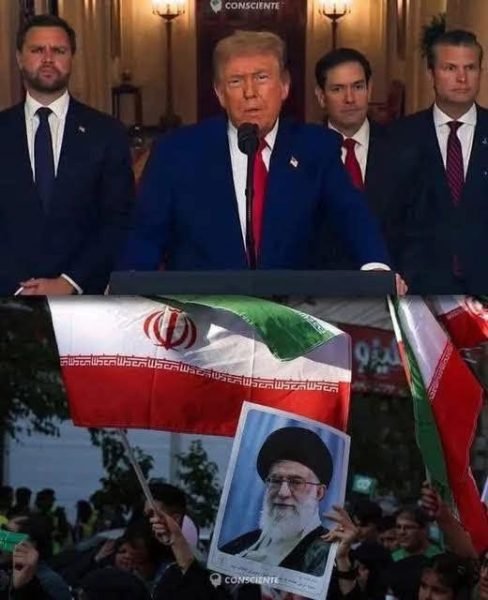
To grasp whether Israel is “under attack” in 2025, one must first understand the historical complexities of the region. The modern State of Israel was established in 1948, following a United Nations partition plan and subsequent conflict with neighboring Arab states. Since then, Israel has experienced multiple wars and periods of intense conflict with various actors, including neighboring countries and non-state militant groups.
Some of the most significant historical events shaping the current security landscape include:
- The Arab-Israeli wars of 1948, 1967, and 1973
- The First and Second Intifadas
- Ongoing tensions with Palestinian groups in Gaza and the West Bank
- Military confrontations involving Hezbollah in Lebanon
- Regional rivalries involving Iran
While diplomatic agreements such as the Camp David Accords and the Abraham Accords have improved relations between Israel and some Arab nations, deep-seated political disputes and territorial disagreements remain unresolved.
The Situation in 2025: What Is Happening?
In 2025, reports indicate renewed hostilities in and around Israel. These developments include:
1. Rocket and Missile Fire
There have been accounts of rocket launches targeting Israeli cities from neighboring territories. Such incidents often originate from militant groups operating in areas such as Gaza or southern Lebanon. Israel’s Iron Dome missile defense system has reportedly intercepted many incoming threats, minimizing civilian casualties.
2. Drone Activity
Unmanned aerial vehicles (UAVs), commonly referred to as drones, have become a growing element of modern conflict. In 2025, reports suggest that drones have been used in attempted cross-border attacks, surveillance operations, and retaliatory strikes. Israel has invested heavily in counter-drone technology to mitigate these risks.
3. Border Clashes
Tensions along Israel’s northern and southern borders have led to sporadic exchanges of fire. These incidents often escalate quickly due to the presence of heavily armed forces on both sides.
4. Cybersecurity Threats
In addition to physical attacks, cybersecurity experts have noted an increase in cyberattacks targeting Israeli infrastructure, financial systems, and government networks. Cyber warfare has become a significant dimension of modern geopolitical conflict.
Key Actors in the Conflict
Understanding who is involved is critical to interpreting the current situation.
Palestinian Militant Groups
Certain factions within Gaza have historically engaged in armed conflict with Israel. Escalations typically follow specific political or military developments.
Hezbollah
The Lebanon-based group Hezbollah has maintained a long-standing adversarial relationship with Israel. While full-scale war has been avoided in recent years, tensions remain high.
Iran
Iran’s relationship with Israel has been characterized by hostility. Although direct military confrontation between the two states has been limited, proxy conflicts and strategic rivalry continue to shape regional dynamics.
Regional and Global Powers
The United States, European nations, Russia, and regional Arab states all play diplomatic or strategic roles in shaping the trajectory of events. Their involvement can influence escalation or de-escalation efforts.
Civilian Impact
Whenever violence escalates, civilians bear the brunt of the consequences. In 2025, Israeli residents in affected areas have reportedly faced:
- Temporary displacement
- Disruptions to schools and workplaces
- Psychological stress due to air raid sirens
- Damage to infrastructure
Similarly, civilians in neighboring territories are often affected by retaliatory strikes and military operations. Humanitarian organizations typically call for restraint and protection of non-combatants.
Israel’s Defensive Measures
Israel has developed sophisticated defense systems over the years to respond to security threats.
Iron Dome and Missile Defense
The Iron Dome system intercepts short-range rockets. Complementary systems, such as David’s Sling and Arrow, address medium- and long-range threats.
Intelligence Capabilities
Israel’s intelligence agencies are widely regarded as highly capable, focusing on threat detection and prevention.
Civil Defense Infrastructure
Israel maintains early warning systems, bomb shelters, and emergency preparedness programs to protect its population.
Diplomatic Efforts in 2025
Even amid reports of hostilities, diplomatic efforts continue behind the scenes.
Regional Mediation
Countries in the region have often served as intermediaries during escalations, facilitating ceasefire agreements.
International Organizations
The United Nations and other international bodies frequently call for de-escalation and humanitarian access.
Bilateral Negotiations
Ongoing discussions between Israel and neighboring countries aim to prevent broader conflict.
Media Coverage and Misinformation
In times of conflict, misinformation can spread rapidly. Social media platforms amplify unverified reports, sometimes exaggerating or misrepresenting events. It is essential to rely on credible news sources and official statements when assessing whether Israel is under widespread or limited attack.
Headlines may use dramatic language, but the actual scale and intensity of events can vary significantly.
Economic Implications
Security tensions can affect Israel’s economy in several ways:
- Market fluctuations
- Reduced tourism
- Increased defense spending
- Temporary business disruptions
However, Israel’s economy has historically demonstrated resilience, particularly in sectors such as technology and innovation.
Regional Stability and Broader Impacts
Escalations involving Israel often have ripple effects across the Middle East. Neighboring countries monitor developments closely, as instability can influence trade, migration, and diplomatic relations.
Energy markets may also respond to heightened tensions in the region, affecting global prices.
Is Israel “Under Attack”?
The phrase “under attack” can mean different things depending on context. In 2025, reports indicate that Israel has faced hostile actions, including rocket fire and security incidents. However, whether this constitutes sustained large-scale war or periodic escalation depends on the scale, duration, and intensity of events.
Historically, the region has experienced cycles of escalation followed by ceasefires. Observers caution against drawing conclusions without considering official confirmations and verified reporting.
The Human Dimension
Beyond political and military analysis, it is important to remember the human dimension of conflict. Families on all sides seek safety, stability, and peace. The recurring nature of tensions underscores the need for long-term solutions that address underlying grievances.
Looking Ahead
The situation in 2025 remains fluid. Possible scenarios include:
- De-escalation through Ceasefire
Diplomatic intervention could lead to a reduction in hostilities. - Limited Continued Clashes
Periodic exchanges without full-scale war may persist. - Broader Regional Conflict
Although less likely, miscalculations could trigger wider confrontation.
The trajectory will depend on political decisions, military strategies, and diplomatic engagement.
Conclusion
Reports in 2025 indicate that Israel has faced renewed security challenges, including missile launches, drone activity, and border tensions. While such developments are serious and concerning, understanding their scale and context is essential before drawing conclusions about the broader situation.
The region’s history demonstrates both the risks of escalation and the possibility of de-escalation through negotiation. As events continue to unfold, careful attention to verified information and balanced analysis will be crucial.
Ultimately, sustainable peace will require diplomatic solutions that address security concerns, political aspirations, and humanitarian needs across the region. Until then, developments in Israel and its neighboring territories will remain closely watched by the international community.