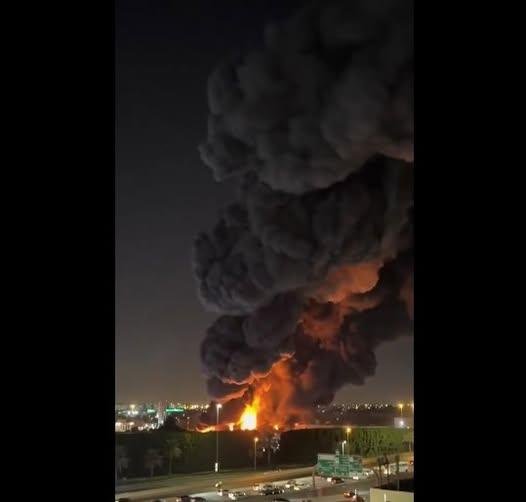
How Viral “Breaking News” Posts Spread During Conflicts — And How to Separate Facts From Hype
Social media posts that begin with phrases such as “Tel Aviv, minutes ago…” are carefully structured to create urgency. They are written to trigger emotional reactions and immediate sharing. During periods of heightened regional tension—particularly in the Middle East—such posts can travel across platforms faster than verified reporting from established news organizations.
This article explains how viral breaking-news posts gain traction, why they can be misleading, and how to evaluate claims responsibly. It also outlines best practices for publishers seeking to produce accurate, policy-compliant content during sensitive events.
Why “Minutes Ago” Headlines Capture Attention
Urgency is a powerful psychological trigger. When a post suggests that events are unfolding “right now,” readers may feel compelled to react immediately rather than verify details. During times of geopolitical tension—especially involving countries such as Israel—that urgency is amplified.
The Anatomy of a Viral Conflict Post
Many high-engagement posts during regional crises follow a similar pattern:
- Location and urgency in the first line
Example structure: “City name, minutes ago…” - Reference to a senior official
Mentioning a president, prime minister, or military spokesperson increases perceived legitimacy. - A dramatic description of events
Often framed as sudden or unprecedented. - A rapid escalation timeline
Designed to create a sense that events are spiraling quickly. - Minimal sourcing or links to original statements
These structural elements are not proof of inaccuracy. However, they do signal that readers should verify claims through independent, reputable outlets.
The Importance of Cross-Checking With Reputable Sources
When evaluating breaking news, the most reliable approach is to compare viral claims with reporting from established organizations known for editorial standards and fact-checking processes. Examples of globally recognized news outlets include:
- Reuters
- Associated Press
- BBC News
These organizations typically:
- Attribute information to named officials or direct statements
- Distinguish between confirmed facts and ongoing investigations
- Update articles as new information becomes available
- Avoid speculative language
If a viral post claims that a high-ranking official has “just confirmed” major developments, readers should look for:
- A direct quote published by reputable outlets
- An official press release
- A recorded speech or public briefing
- Multiple independent confirmations
If such corroboration is absent, the claim may be incomplete or premature.
Why Real Locations and Officials Increase Perceived Credibility
In the digital age, authenticity cues are powerful. Including real place names—such as Beit Shemesh—anchors a narrative in recognizable geography. Mentioning real public officials enhances perceived authority.