Hospitals are places where some of life’s most difficult moments unfold. They are environments filled with urgency, hope, uncertainty, and determination all at once. Within their hallways, medical professionals move quickly from room to room, patients face life-changing challenges, and families wait with quiet anticipation for news that may reshape their lives.
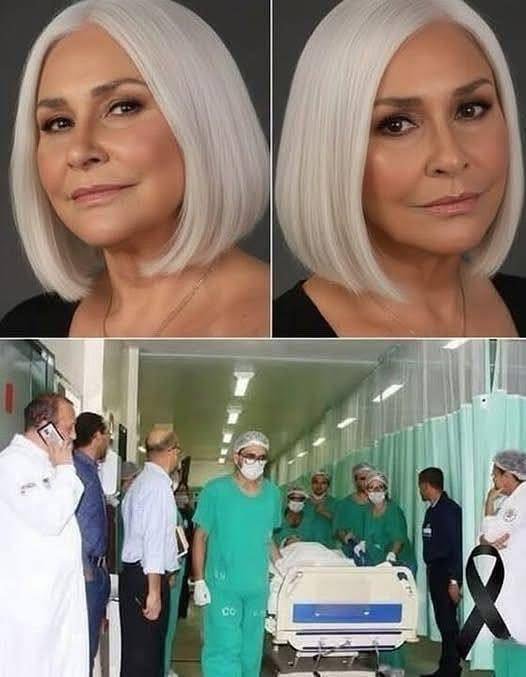
The image of medical staff guiding a patient’s hospital bed down a corridor captures a moment that many people around the world recognize instantly. It represents more than a simple transfer between rooms. It symbolizes a turning point—one step in a journey that often includes fear, courage, medical expertise, and the unwavering support of loved ones.
At the same time, the portrait of a woman with calm expression and silver hair suggests another important part of the story: resilience. Behind every hospital patient is a person with a lifetime of memories, relationships, achievements, and dreams. When someone enters a medical facility for treatment, they do not arrive as a statistic or a case number. They arrive as an individual whose life has meaning to many others.
Together, these images reflect a powerful narrative about health, determination, and the role of modern medicine in helping people navigate some of the most challenging periods of their lives.
The Emotional Reality of Hospital Experiences
For most individuals, entering a hospital marks the beginning of an unfamiliar and sometimes overwhelming experience. Even routine medical procedures can bring anxiety. The environment itself—bright lights, unfamiliar equipment, and the constant movement of healthcare professionals—can make patients feel vulnerable.
However, hospitals also represent places of healing and progress. They are staffed by teams of doctors, nurses, technicians, and specialists who dedicate their careers to helping others recover from illness or injury. Every corridor tells stories of people who faced uncertainty and emerged stronger because of the care they received.
The presence of multiple healthcare workers surrounding a patient’s bed illustrates the collaborative nature of modern medicine. Treating complex medical conditions requires coordination between many professionals, each bringing their own expertise to the situation. Surgeons, nurses, anesthesiologists, and support staff work together to ensure that every step of treatment proceeds as safely and effectively as possible.
For patients and families, witnessing this level of attention can bring reassurance during an otherwise stressful time.
The Role of Medical Teams
Healthcare professionals are trained to remain calm and focused even in demanding circumstances. When a patient is being transported through a hospital corridor, it usually means that an important stage of care is underway. The patient might be moving toward surgery, returning from a procedure, or being transferred to a different department for specialized treatment.
Each member of the medical team has specific responsibilities. Nurses monitor the patient’s condition and ensure that medical equipment functions properly. Doctors evaluate the situation and provide instructions for the next steps in treatment. Support staff assist with transportation and logistics to ensure that everything runs smoothly.
Although these moments may appear routine to those who work in healthcare, they carry immense significance for patients and their families. For the person lying in the hospital bed, the journey down that corridor can feel like a defining moment.
The Strength of Patients
The woman shown in the portrait represents another essential aspect of medical stories: the resilience of individuals who face health challenges with dignity and courage.
Health struggles can affect anyone at any stage of life. For older adults, medical care often becomes an increasingly important part of maintaining well-being. Advances in modern medicine have made it possible for people to live longer, healthier lives, but these advances also require individuals to navigate complex healthcare systems.
Many patients approach these challenges with remarkable determination. Even when facing difficult diagnoses or demanding treatments, they find ways to remain hopeful and focused on recovery.
The calm expression on the woman’s face reflects a sense of inner strength. It reminds viewers that behind every hospital scene is a person who continues to hold onto their identity, their memories, and their connections with others.
Families and Support Systems
No patient experiences a medical journey alone. Family members, friends, and caregivers often play a crucial role in providing emotional support. While doctors and nurses focus on medical treatment, loved ones help maintain the patient’s sense of normalcy and comfort.
In hospital waiting rooms around the world, families sit together sharing quiet conversations, offering encouragement, and hoping for positive news. These moments may seem small, but they can make an enormous difference in a patient’s recovery.
Studies have shown that emotional support can significantly influence a person’s ability to cope with illness. Patients who feel supported by their families often report higher levels of optimism and resilience during treatment.
Advances in Modern Medicine
The hospital environment shown in the image also highlights the remarkable progress made in healthcare over the past several decades. Medical technology has transformed the way doctors diagnose and treat a wide range of conditions.
From advanced imaging equipment to minimally invasive surgical techniques, modern hospitals are equipped with tools that allow medical teams to address health issues with increasing precision. These innovations have improved survival rates and reduced recovery times for many patients.
For individuals undergoing treatment, these advancements offer renewed hope. Procedures that once required long hospital stays can now be performed more efficiently, allowing patients to return home sooner and resume their daily lives.
The Psychological Journey of Patients
While physical treatment is essential, the psychological aspect of recovery is equally important. Facing a serious health concern can lead to feelings of fear, uncertainty, and vulnerability.
Healthcare professionals recognize the importance of addressing these emotional challenges. Many hospitals provide counseling services, patient education programs, and support groups designed to help individuals cope with the mental and emotional aspects of illness.
Patients who feel informed about their treatment plans often experience greater confidence during their recovery. Clear communication between doctors and patients allows individuals to understand what is happening and why certain decisions are being made.
Hope Within Hospital Walls
Despite the seriousness often associated with hospitals, these facilities are also places where hope thrives. Every day, medical teams celebrate successful surgeries, patient recoveries, and small milestones that mark progress.
A patient who takes their first steps after surgery, a family receiving good news from a doctor, or a nurse witnessing improvement in a patient’s condition—these moments represent the true purpose of healthcare.
Even in difficult cases, medical professionals remain committed to providing compassionate care and exploring every possible option to support the patient.
The Quiet Heroism of Healthcare Workers
Healthcare professionals often work long hours in high-pressure environments. Their dedication requires not only technical skill but also empathy and emotional resilience.
Doctors and nurses frequently form meaningful connections with their patients. They witness the full range of human experiences—from fear and uncertainty to recovery and celebration.
The hospital corridor scene captures a glimpse of this dedication. The medical staff guiding the patient’s bed represent countless professionals around the world who devote their lives to caring for others.
Aging, Health, and Dignity
As people grow older, maintaining health becomes increasingly important. Regular medical checkups, healthy lifestyles, and access to quality healthcare all contribute to a person’s ability to live a fulfilling life in later years.
The woman’s portrait symbolizes the dignity and wisdom that come with age. Gray hair and gentle expressions often reflect decades of experiences, relationships, and personal achievements.
When older adults require medical care, preserving that dignity becomes a priority for healthcare providers. Respectful communication, personalized treatment plans, and compassionate care help ensure that patients feel valued and understood.
A Universal Human Experience
The scenes represented in the image are not unique to any single country or community. Around the world, millions of people enter hospitals each year seeking treatment, comfort, and answers.
These shared experiences create a universal connection among individuals from different cultures and backgrounds. Regardless of where someone lives, the desire for health and well-being remains a common human goal.
Hospitals serve as places where science, compassion, and determination intersect. They remind us that even during life’s most uncertain moments, people continue to work together in pursuit of healing.
Moving Forward With Hope
For patients, families, and healthcare professionals alike, every hospital journey represents a step toward understanding and recovery. While challenges may arise, the combination of medical expertise, emotional support, and personal resilience often leads to positive outcomes.
The images of a calm portrait and a hospital corridor together tell a story about courage and care. They remind us that behind every medical moment is a human story—one that includes strength, compassion, and the possibility of healing.