
Reflecting on my teenage years as a ballet dancer brings back the relentless pressure that influenced every choice I made regarding my body. In a world where discipline governed everything—from my daily routine to my self-esteem—I succumbed to unhealthy habits that many dancers face. For years, I allowed myself just one meal a day, leading to a cycle of six days of strict restriction followed by one day of binge-eating. This pattern felt both punishing and oddly satisfying, as it kept me within the ideal I believed I needed to uphold.
Between the ages of 15 and 17, I weighed a mere 37 kilos. My hip bones, sharp shoulders, and thigh gap were not just physical attributes—they were trophies I cherished, even as they drained the life from me.
The Culture That Glorifies Fragility
I was not alone in this fixation. Many young dancers, models, and performers are taught, whether directly or indirectly, that beauty is synonymous with shrinking oneself. This is a wider cultural issue, as growing up female often entails navigating a world that glorifies thinness and equates delicacy with desirability.
Even now, I admit that part of me still responds to this aesthetic, as the conditioning runs deep. However, with time, my values have shifted, and I now see what I could not before: the bodies I once admired were frequently engaged in invisible battles. When I see images of extremely thin actresses, I immediately recognize the danger behind what used to appear “perfect.”
When Art Mirrors Reality
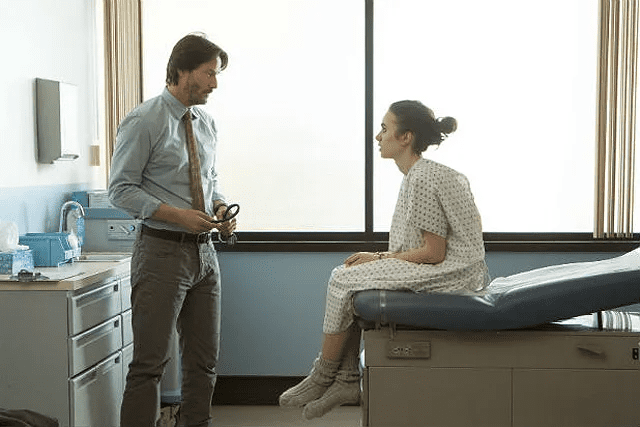
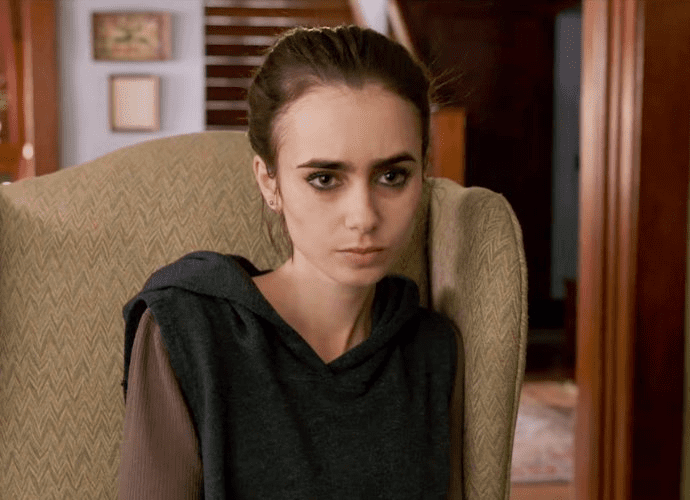
The film To the Bone explores this issue with unfiltered honesty. It tells the story of a young woman struggling with anorexia, portrayed by an actress who lost a significant amount of weight for the role—despite her own history with eating disorders. The writers and director also faced similar struggles, making the film both raw and unsettling.
The story resonates deeply because it reflects the common battle faced by numerous women and girls. Yet, it is also complex. When an actress loses drastic weight to depict a life-threatening illness, it can unintentionally suggest that slipping into and out of such a condition is simple—almost like changing costumes.
But anyone who has experienced it understands the harsh truth: the disease claims lives, and the “cure” is not merely about eating. It is emotional, mental, cultural, and profound.
Why Prevention Is the Real Path to Healing
The stark reality is that the only true cure is prevention. Achieving prevention necessitates a complete change in societal values regarding women’s bodies. We must rewrite the silent messages that imply, “Thinner is better,” and empower girls to comprehend that beauty has never adhered to a one-size-fits-all standard.
A moment in the film struck me profoundly: the inclusion of a girl who wasn’t thin yet still battled an eating disorder. This mattered. It illustrated a crucial truth—both thinness and heaviness can represent two facets of the same emotional struggle, stemming from a mind ensnared in fear, shame, and a fixation on food.
This revelation was refreshing, albeit a bit uncomfortable. Perhaps discomfort is precisely what we need to broaden our understanding.
Facing My Own Influence as a Mother
I have often questioned whether I was a positive influence for my daughter as she navigated her own challenges with weight. How could I expect her to cultivate a healthy mindset when I spent my youth idolizing bones and restriction?
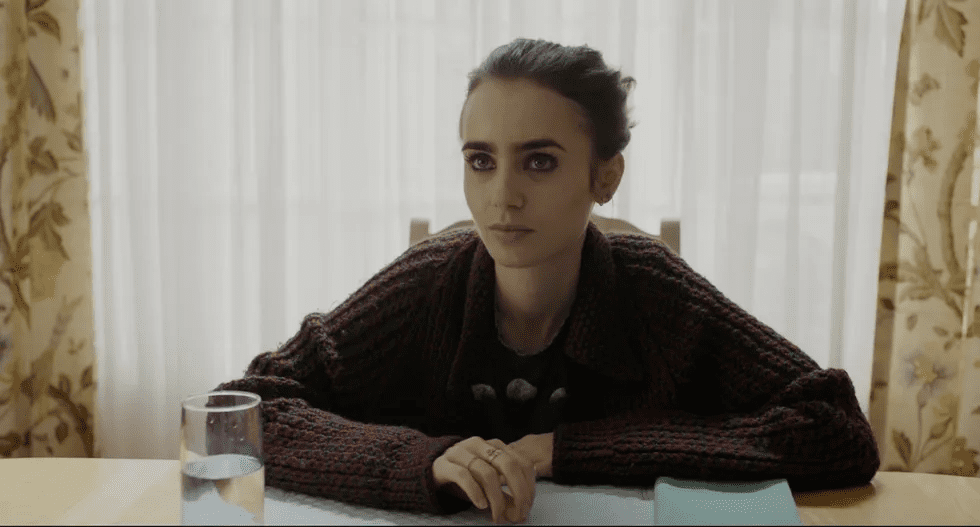
Growth is gradual. I am learning that supporting her necessitates a complete shift in my perspective. A clear truth has emerged as I age: being underweight is not a goal—it is a danger. Carrying extra weight is not something to be ashamed of—it is a part of being human.
Accepting this has been the first genuine step in guiding both myself and my daughter toward a healthier, kinder relationship with food and body image.
A Story That Needed to Be Told
Ultimately, To the Bone succeeds in revealing the harsh realities behind glamorized thinness. The film does not point fingers or oversimplify solutions; instead, it emphasizes the complexity of eating disorders and the cultural pressures that contribute to them.
Most importantly, it conveys a truth that many young women seldom hear: being painfully thin is not beautiful. It is exhausting, dangerous, and robs more than it provides.
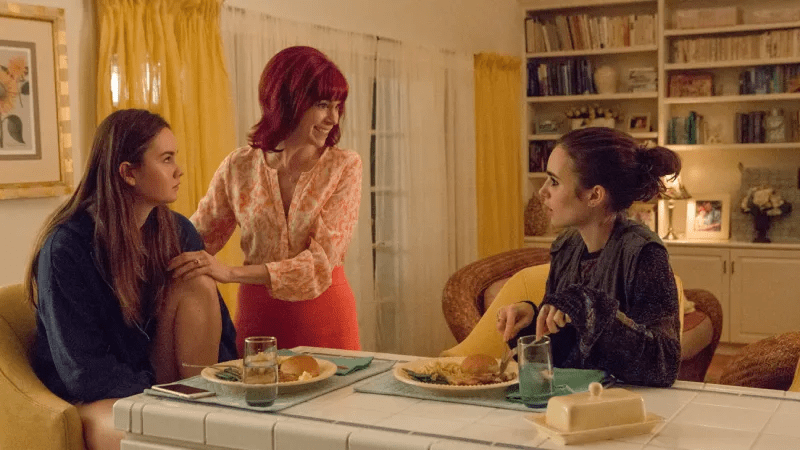
This narrative is significant not only for those grappling with anorexia but for all women conditioned to pursue unrealistic ideals. Watching it prompted me to confront parts of myself I had overlooked for years, and, strangely, it initiated my healing process.
My journey from obsessive thinness to authentic self-acceptance has been long and imperfect. Yet, stories like To the Bone remind us why these discussions are so vital. They unveil a struggle that affects countless girls and women, often in silence. By challenging the ideals we once pursued, we pave the way for healthier minds, stronger bodies, and a future where worth is not measured by fragility. If this story inspires even one woman to step away from the pressures of perfection and embrace a fuller, freer life, it is undoubtedly a story worth telling.